Sisal Carpet Dubai: Pros, Cons & Where It Actually Works
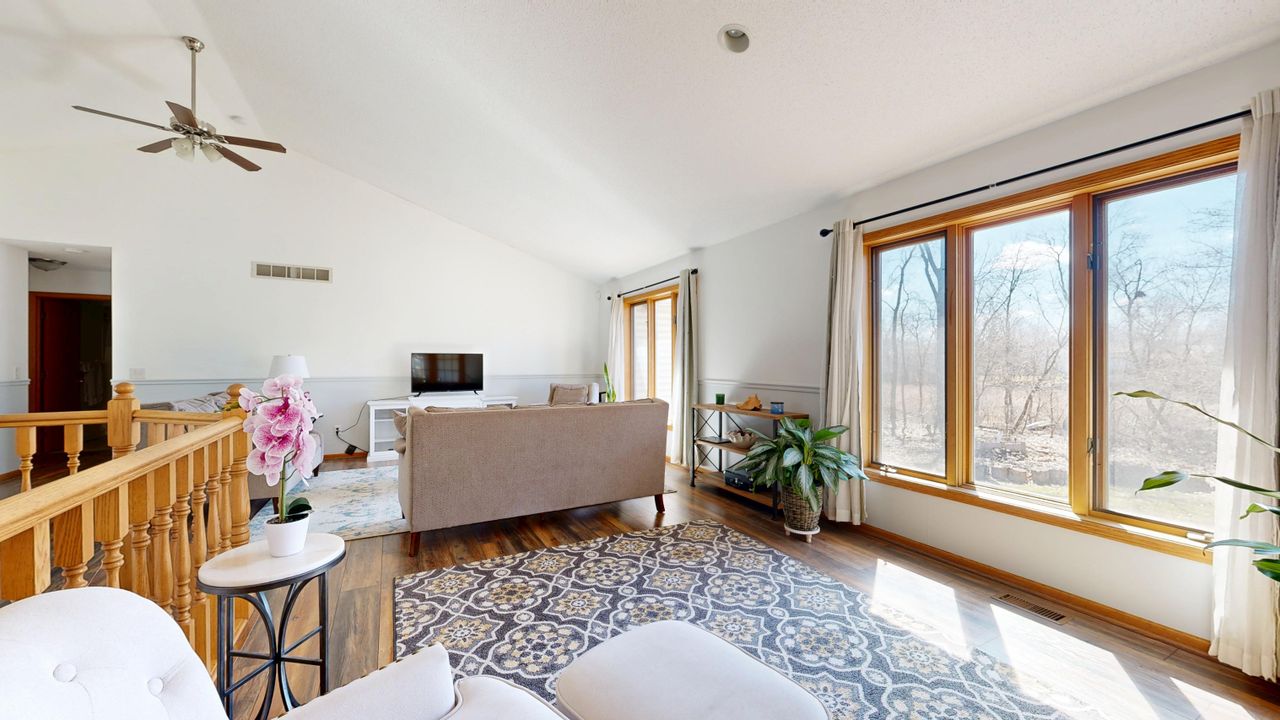
Sisal is one of the few natural-fibre floor coverings that genuinely holds up to regular use, which is why it keeps coming up as an option for anyone wanting a textured, earthy look without going fully synthetic. It's not the right fit everywhere, though — here's where it works and where it doesn't.
What Is Sisal Carpet?
Sisal is a natural plant fibre woven from the leaves of the agave plant, giving it a distinctive coarse texture and warm, earthy tone that synthetic carpet struggles to replicate convincingly. It's biodegradable and considered one of the more eco-friendly flooring choices on the market, which is part of why it's seen a resurgence in villas and design-led interiors wanting a natural material palette.
Pros of Sisal Carpet
- Natural, textured look — a warmth and depth synthetic fibres don't fully replicate.
- Eco-friendly & biodegradable — a genuine natural-material choice for design-conscious interiors.
- Durable weave — holds up reasonably well to foot traffic for a natural fibre.
- Versatile styling — works in both residential and commercial interiors, and pairs well with a wide range of furniture styles.
Cons of Sisal Carpet
- Not fully stain-resistant — spills need to be addressed quickly; sisal absorbs liquid faster than a synthetic fibre.
- Coarser underfoot — less soft and cushioned than wool or synthetic pile, which matters in bedrooms specifically.
- Humidity sensitivity — like other natural fibres, sisal can be affected by prolonged moisture exposure, so it's not the right choice for bathrooms or consistently humid spaces.
Where Sisal Carpet Actually Works
| Space | Good Fit? | Why |
|---|---|---|
| Living room / majlis | Yes | Moderate traffic, benefits from the natural texture and tone |
| Home office / study | Yes | Adds warmth without competing with furniture or decor |
| Bedroom | Maybe | Coarser underfoot than wool — better as an accent than full room coverage |
| Bathroom / high-humidity area | No | Natural fibre is more moisture-sensitive than synthetic alternatives |
| High-spill zones (dining, kitchen-adjacent) | No | Slower stain response than synthetic or treated fibres |
Sisal vs. Wall-to-Wall Wool or Synthetic Carpet
If softness underfoot and stain resistance are the priority, wool or a treated synthetic carpet will outperform sisal. If a natural, textured, design-forward look is the priority and the room isn't spill-prone or high-humidity, sisal is a genuinely different aesthetic that carpet can't fully substitute for. It's a style-and-use decision more than a straightforward upgrade/downgrade choice.
Budgeting for a Sisal Installation
Set your budget first, then explore sisal options within it — a well-versed supplier should be able to work within a range rather than pushing a single price point. Space planning matters here too: sisal's natural texture reads differently at different scales, so it's worth confirming how a sample looks in your actual room's lighting before committing to a full installation.
Where to Buy Sisal Carpet in Dubai
Carpet Shop Dubai's sisal carpet range covers homes, villas, offices and commercial spaces across Dubai, with design consultation to help you decide whether sisal genuinely suits your space before you commit.
Final Thoughts
Sisal earns its place in living rooms, studies and design-forward interiors wanting a natural texture — it's the wrong call for bathrooms, kitchens and anywhere spills happen often. Match the room to the material rather than the other way around.